Concept Art for Characters Concept Art for Characters Kids
When we think of some of our favorite characters, from Superman to Pikachu, design is often that concluding thing that comes to mind. That's what good character design does: it hides the designer and leaves behind only a memorable character. But smashing characters don't come from nothing—they are the result of planning, visual storytelling, choices and creative skill.
For this reason, character blueprint can exist harder than information technology at first appears. The design has to evoke who the graphic symbol is and that ways the designer must be skilled at using nonverbal, visual elements such as expression, gesture, color and wearable to communicate personality traits. This is specially true for simplistic grapheme styles, where the designer has to communicate more with less.
You may as well have to make technical considerations such as whether the design tin exist easily animated. On top of that, there'south the question of originality and staking out your own character design manner.
Fortunately, graphic symbol design is a fairly erstwhile exercise, and at that place are common tips and workflows that can guide aspiring designers from concept to finished artwork. With that said, every creative person is going to have a different approach that works for them. With both of these factors in mind, we've put together this ultimate guide to character pattern to provide a pace-past-step process and specific graphic symbol pattern tips and communication from professional designers who are experts on our platform.
The step-by-step character design process
—
- Develop a concept
- Create a character profile
- Brainstorm the details
- Do your research
- Inquiry the target audition
- Gather reference images
- Choose the best tools for your projection
- Start with thumbnails (a lot of them)
- Work small and fast
- Pay attention to overall shapes and silhouettes
- Finalize your sketch
- Finalize the pose and fine details
- Assemble feedback before proceeding
- Render your character design
- Digitize the sketch
- Focus on value
- Add color
- Add the finishing touches
- Decide on a background
- Put together a presentation
Stride i: Develop a concept
—

Graphic symbol blueprint belongs to a class of analogy called concept fine art. It is about communicating the artist'southward vision of how a character might appear in a hereafter context, such every bit a picture show, video game or company website. The amusement industry uses concept fine art to visualize their ideas before committing exorbitant amounts of money on production. To that finish, a expert character design should sell the vision.
Fifty-fifty if yous are non designing a grapheme for any purpose other than your own portfolio, that's all the more reason for a clear concept: your pattern won't take any time to come context in which to explain the story behind the character.
Create a character profile
The artistic brief, if you are given one, is a good place to start. The client should have provided yous with information well-nigh the context for the graphic symbol, the target audience, and the preferred style.
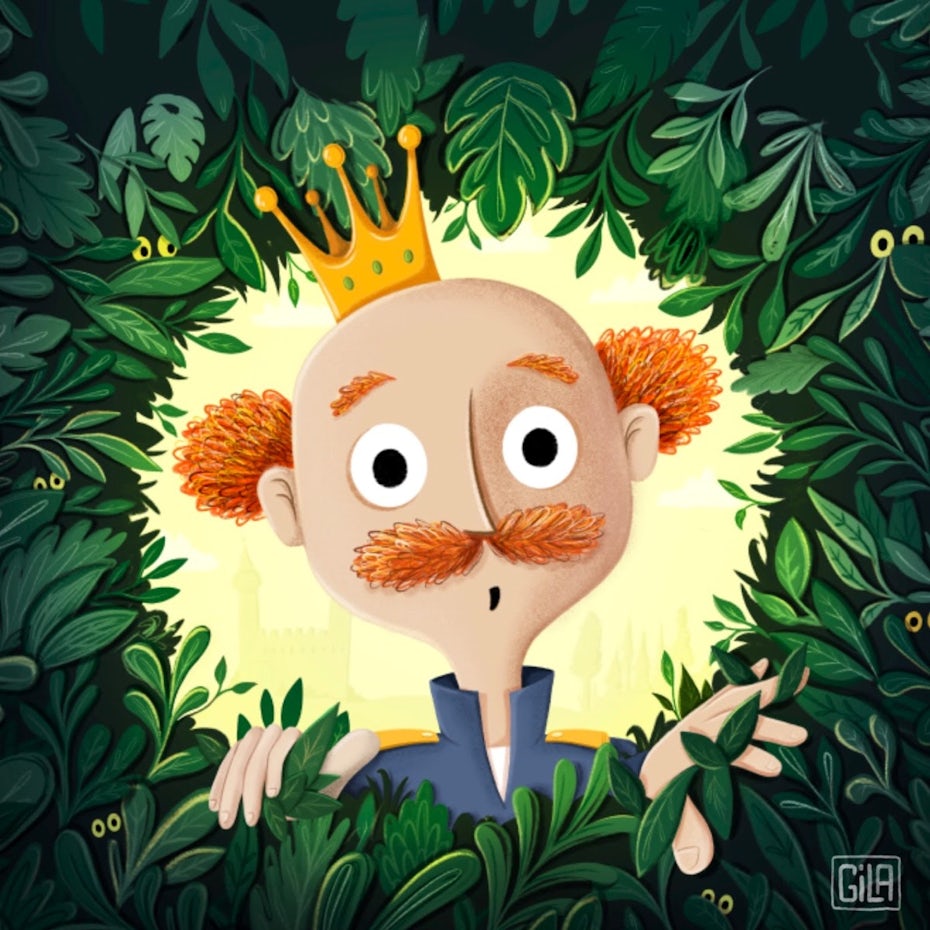
Top Level character designer Cross The Lime explains the importance of establishing a management based on the brief, "How mainstream or quirky a graphic symbol tin can be in branding projects actually depends on the industry and customer. Enquire them for examples of characters they like and why."
Simply while the client (or writer) may take already created a story for the grapheme, that does non let the artist off the hook. Briefs are by their nature, well, cursory, and information technology'south not uncommon for a client to accept problem expressing themselves in artistic terms.
How mainstream or quirky a character tin exist in branding projects really depends on the industry and client.
It is often up to the illustrator to interpret the brief, ask the correct questions, read between the lines, and dribble the client'due south caption into core character traits. Your ideas should non contradict the cursory, of grade, but continue in mind that you were hired for your expertise. In many cases, the customer will be expecting you to expand on the concept in novel means that will not have occurred to them.
If you are not given a brief (maybe even if you were), it is a proficient idea to substantially come up up with one for yourself. You are aiming for a curt prompt—no more than a paragraph or so—that gives a basic profile of the character: where they come from, what they want, what makes them special. The Five Ws can be helpful for establishing a basic premise.
At this stage, y'all should not get bogged down in frivolous details similar if "her favorite ice cream is rocky road!", but should aim instead for descriptions that serve as an introduction.
Brainstorm the details
There are a number of brainstorming techniques that can assistance you develop your character profile. One of the almost helpful for graphic symbol pattern is word clan, starting with some keywords from the brief and coming up with related words that come into heed, either via mind-mapping or writing a straightforward list. The reason existence that singular words keep ideas simple, distilling them to their essence, and this comes in handy when you need to communicate those traits visually.
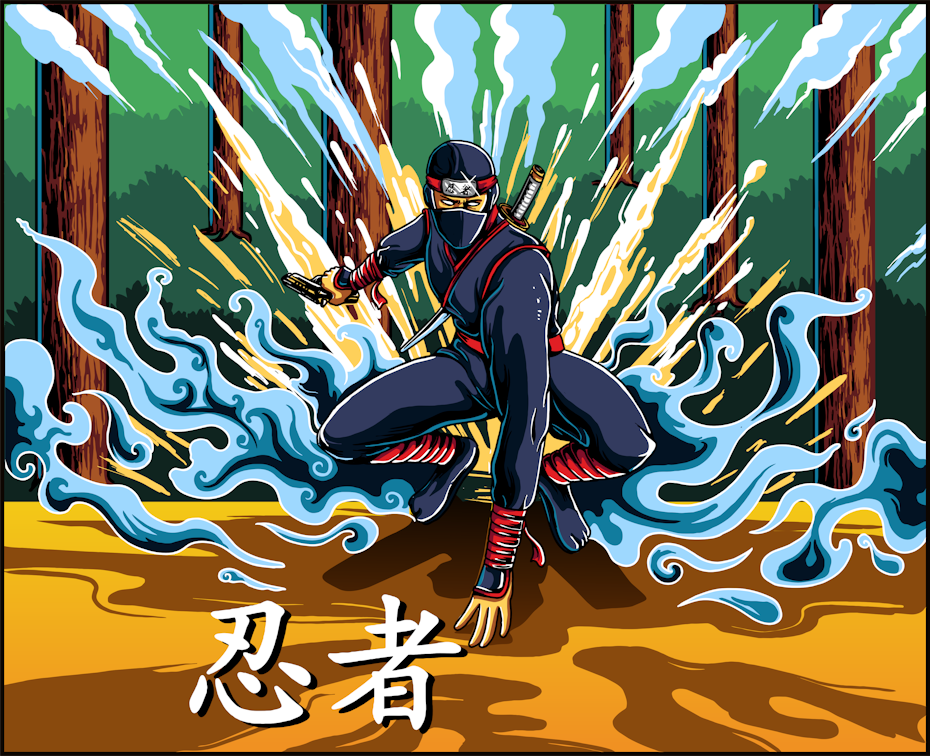
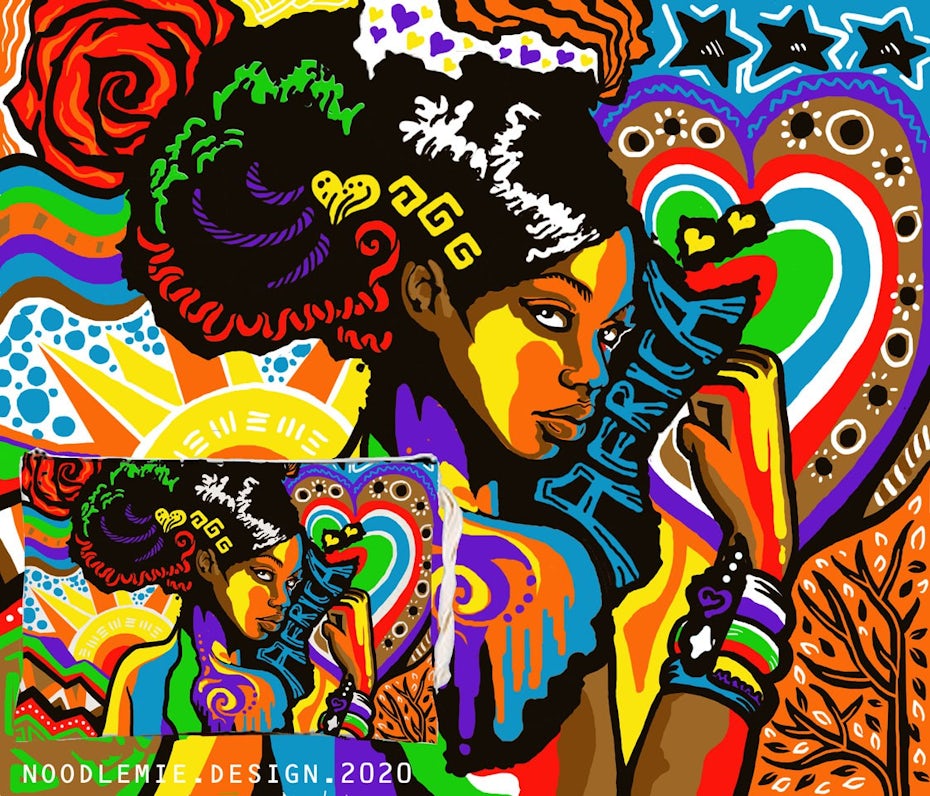
Co-ordinate to Summit Level designer noodlemie, "I take some time to brainstorm ideas and picture how it would look like in my listen. Earlier physically starting annihilation, I create my 'skillful mood' atmosphere by listening to music and sometimes reading comics, news or a novel."
"Before physically starting anything, I create my 'expert mood' temper by listening to music and sometimes reading comics, news or a novel."
The character concept is a lot like the destination your ship is steering towards, and for that reason, you lot should pay particular attention to this step. Unfortunately, there's not always a straightforward mode to know whether y'all've chosen the right destination. Creating art is a process of blind feeling, aesthetic sentence and trial-and-error.
Get the concept every bit fleshed out equally you can, and come back to this step later if necessary. When something in your design just doesn't feel correct, the underlying concept is normally the offset place you lot should look.
Step 2: Do your research
—
Creating unique characters from your heed tin experience like magic—then much so, that it can exist like shooting fish in a barrel to overlook pesky considerations similar enquiry. You might be asking, "is this a graphic symbol or a term paper!?" But research and imagination go hand-in-paw. Your imagination, later all, comes from your mind, and your listen is informed by your existent world knowledge and experiences.
Research the target audience
More importantly, your design volition depend on the experiences of your intended audience.
"Before anything else, research the target audience to which the graphic symbol aims to reach out," Acme Level grapheme designer Maylyn describes their research procedure. "This will serve as the footing of the design. Knowing the audition makes information technology easier for you to decide how the character should look, including the colors to be used and setting the mood."
"Before anything else, research the target audience to which the character aims to reach out."
A customer volition typically provide audience information in the cursory, but you lot'll want to do enquiry across demographics such as age, gender, location, etc. Look up other artists who design for that target audience, and the types of styles that appeal to them.
Get together reference images
This brings us to our primary means of inquiry: gathering reference images, or scouring the net for photos and artwork relevant to your concept.
It is important to sympathize that using reference images for inspiration is not cheating (provided, of course, y'all are not creating exact copies). Whether you similar it or not, your art is subconsciously influenced past what you lot've seen, including other artists that have inspired you, and collating references is how y'all consciously control that influence. In add-on, researching the work of other artists on similar concepts or designs for similar audiences can also help you come across what is common and how your grapheme can be unlike.
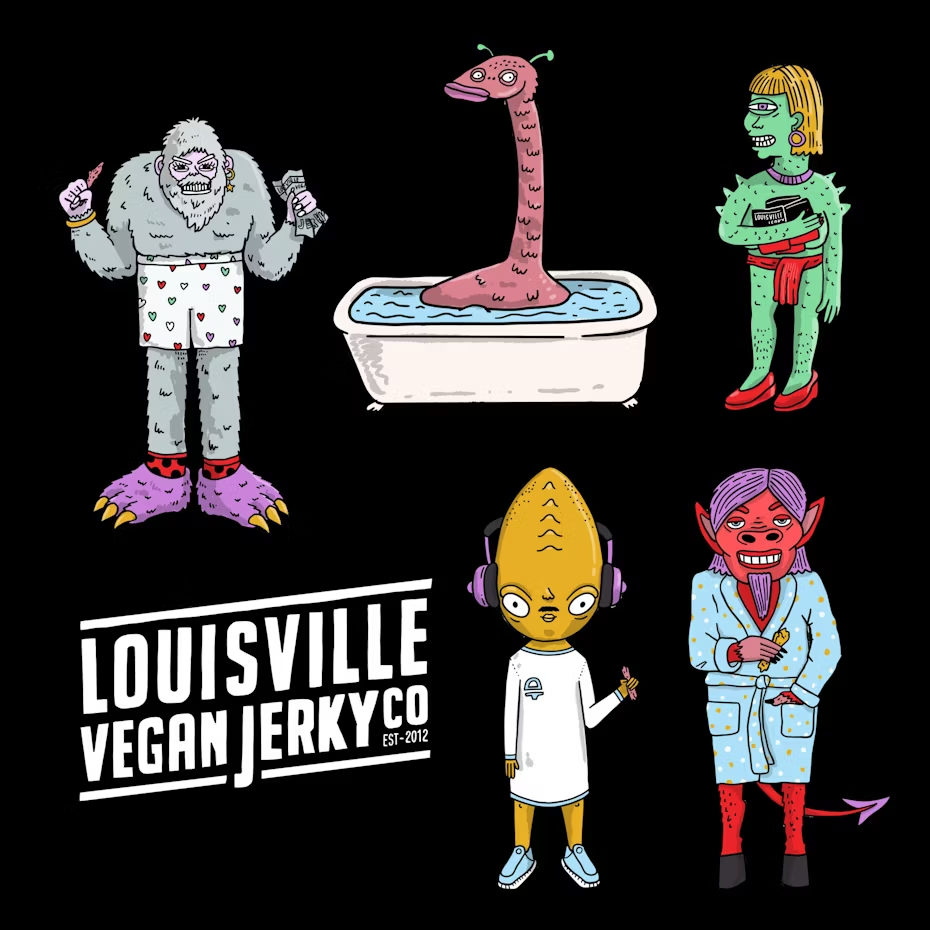
Find how other successful artists make their characters crawly. Clarify and come to conclusions, but don't imitate.
As Summit Level designer bananodromo puts it, "Gathering inspiration is necessary sometimes, maybe to sympathise how other successful artists make their characters awesome. Analyze and come to conclusions, only don't imitate. Find your own path."
Of course, other artists are simply interpreting what they see in real life in their art, and your reference material must similarly include existent life photos or direct ascertainment. As Top Level designer ananana14 so eloquently puts it, "the best tip I wish I could have given myself when starting out is that real life is the best inspiration."

Exaggerated, cartoony or oddball characters are not excluded here—if anything, you lot should make more of an endeavor to ground them in realistic traits that people will easily recognize. An of import consideration is besides anatomy. Even if y'all are not planning to breathing the character, you will imply physicality in their pose and should understand how they move and distribute their weight.
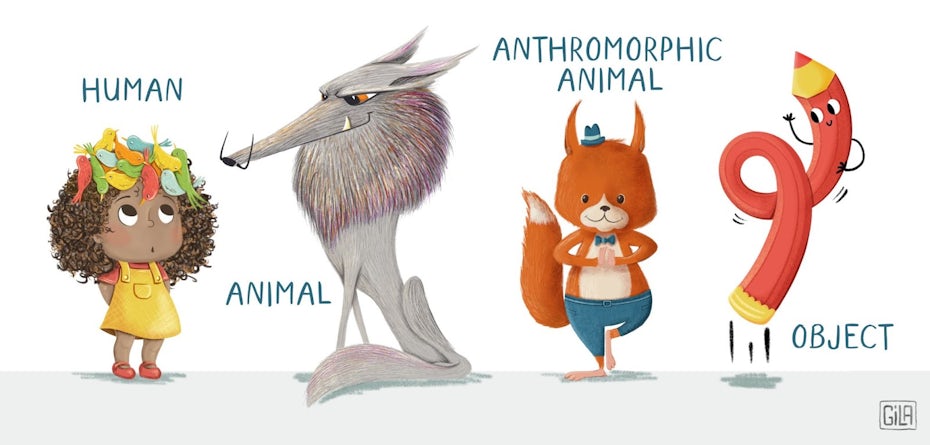
According to Cross The Lime, "A good character is recognizable, even so unique. If you demand to draw a giraffe, expect at photos of giraffes. What are the proportions, what shapes make up the trunk, how practise the legs piece of work, how does the character work when in move? The more than you sketch and draw variations of these recognizable features and shapes, the easier information technology is to abstract and come up with your ain grapheme."
The more you sketch and depict variations of these recognizable features and shapes, the easier it is to abstruse and come up up with your own character.
You can find reference material from virtually any source—Pinterest, Google images, ArtStation, Dribbble, even your own camera gyre. Yous can also gather reference images for annihilation you're unsure about—from the character concept as a whole to specific details like clothing, hairstyle, facial expression, poses and more. The important matter is that each of these images help yous visualize your concept.
Tiptop Level design team Miniverso Studio offering their perspective on this phase: "Research is the essential function in character blueprint. Get inspired past other designs and styles that bring you closer to what yous are looking for. Gather references in images, fashion, color, personality, expressions and more. Soak up everything that manages to give your character soul."
How many reference images yous'll demand will depend on the project and how much you feel you need to acquire. That said, it should definitely be more a few in order to get various perspectives. Once you've gathered these materials, it can be helpful to create a collage or mood board. This does not have to be anything fancy: but all of your images collected in one certificate that you lot tin continue open on your computer as you work.
Step 3: Choose the best tools for your project
—
There's an argument to be made that the tools you utilise don't necessarily matter. In theory, you tin blueprint a character every bit effectively with pen and paper equally on the computer, and too top tier software won't cover up poor concepts or lacking art fundamentals.
Using pencil and newspaper helps to unfold our imagination and non to stagnate.
The tools you lot use largely come down to your intended style, personal preference and the client's file blazon requirements. Some art styles, such as watercolor, tin can be mimicked on the computer but normally come up out best in their original medium. Personal preference, of form, depends on your ain experience creating artwork.

Finally, you lot should base your decision on the image file type the customer wants. These days, almost clients will be expecting some sort of digital file for easy storage and sharing, unremarkably an original source file from a program like Photoshop and a simple prototype type such as JPEG.
But while the client'southward preference determines the format of your final design deliverable, y'all can use whatsoever tool you like earlier y'all get to that point. For instance, many of the character artists nosotros interviewed prefer doing preliminary sketches on paper.
As Top Level designer velcheva puts it, "I draw my illustrations using a laptop and a graphics tablet. Although I got used to the tablet for many years, it is all the same quite difficult for me to outset cartoon; I draw a line, delete, draw another one, delete again. But information technology's much easier for me to offset cartoon on paper."
I still always get-go my drawings on paper, fifty-fifty afterward years of experience using a tablet.
Meanwhile, Cantankerous The Lime outlines her process equally; "I often draw outlines by hand, then vectorize and add color in Adobe Illustrator—it is faster for me, and has a more fluent/ organic wait and constructed lines and vectors."
As mentioned earlier, the analogue tools, whether inkwells or paint brushes, will depend on the way you lot are going for. Digital cartoon tools can be more flexible, but let's briefly get over some of the virtually common software for character pattern:
- Adobe Photoshop / Clip Studio Paint / Krita for digital painting (exist sure to pick upward some brand of graphics tablet and stylus pen)
- Adobe Illustrator / Affinity Designer for vector characters (typically used in logo characters or mascots for brands)
- Maya / ZBrush / Blender for 3D characters
- Procreate for cartoon with a tablet (mimics the experience of drawing with a sketchpad, be sure to pick upward a stylus pen)
Step four: Starting time with thumbnails (a lot of them)
—
You might exist familiar with the term "thumbnail" from its internet usage: a tiny preview version of an prototype or video. In the illustration world, the idea is like—thumbnails are small samples of images—simply the purpose is different.
Thumbnail sketches let the artist to put their ideation into practice, trying out several, pocket-size, quick drawings before committing to a single idea as noodlemie explains, "I draw some doodles or raw sketches on paper for a few options before I practise the actual analogy digitally, afterwards I expect for some related references for the way or coloring".
Work pocket-size and fast
There'due south no specific recommended size for thumbnail sketches, but ideally they should be small enough that y'all tin fit dozens on the same page. They should be devoid of well-nigh detail: focusing on bones shapes and gestures. The key hither is diverseness—in terms of poses, "camera" angles, and the specific reference paradigm yous're capturing. Sketch out equally many ideas every bit you tin think of, even if yous think you found ane yous already like.
You should also emphasize speed and volume: aim for a infinitesimal or less for each thumbnail drawing. Working this way keeps you from getting too precious about any 1 particular drawing since the more fourth dimension you lot put into a sketch, the more reluctant yous will exist to change things. You will also capture a sense of free energy in the character pose through speedy linework.
Another of our Top Level character artists, BayuRIP, uses this stage to button the concept to new heights, "Combine some elements into the character, make information technology weird and unique. Try to explore shape and angle to make it different and add together your personal manner to the design".
Pay attention to overall shapes and silhouettes
When you take a good number of these (in the tens, at to the lowest degree) a useful technique is to block in silhouettes. This means painting over the shape so that you can encounter whether the image reads clearly based entirely on its outline. Ask yourself, can you tell what the image is supposed to be? What are the dominant shapes? Is the pose clear?
Go on a clear silhouette in heed: take ears, caput shape and position of arms all clearly defined.
Cross The Lime summarizes, "Information technology is even more of import that you proceed a articulate silhouette in heed when designing. Take ears, head shape, position of arms clearly defined, so that you tin recognize the character even when it is merely the silhouette." If you accept not done and then, it'south a proficient thought to brush up on shape language. This, (in add-on to colour later on) is a primary visual style to communicate traits and emotions such as stability, danger, or innocence.
Step 5: Finalize your sketch
—
If you're tired of sketching after that last step, I accept good news for you!
Just kidding—information technology's fourth dimension for more sketching. That said, information technology is a good idea to accept a break at this point if you accept the fourth dimension to spare. Doing and then will allow you to clear your mind and come back to your thumbnails with a fresh perspective. When you are set up to go back to work, find the thumbnail that evokes your concept virtually effectively. Y'all are then going to create a larger, more detailed sketch that volition serve every bit the basis for your terminal artwork.
Miniverso Studio highlights the importance of this phase, "The digitization procedure of our character will exist easier with a well-elaborated sketch."
Finalize the pose and fine details
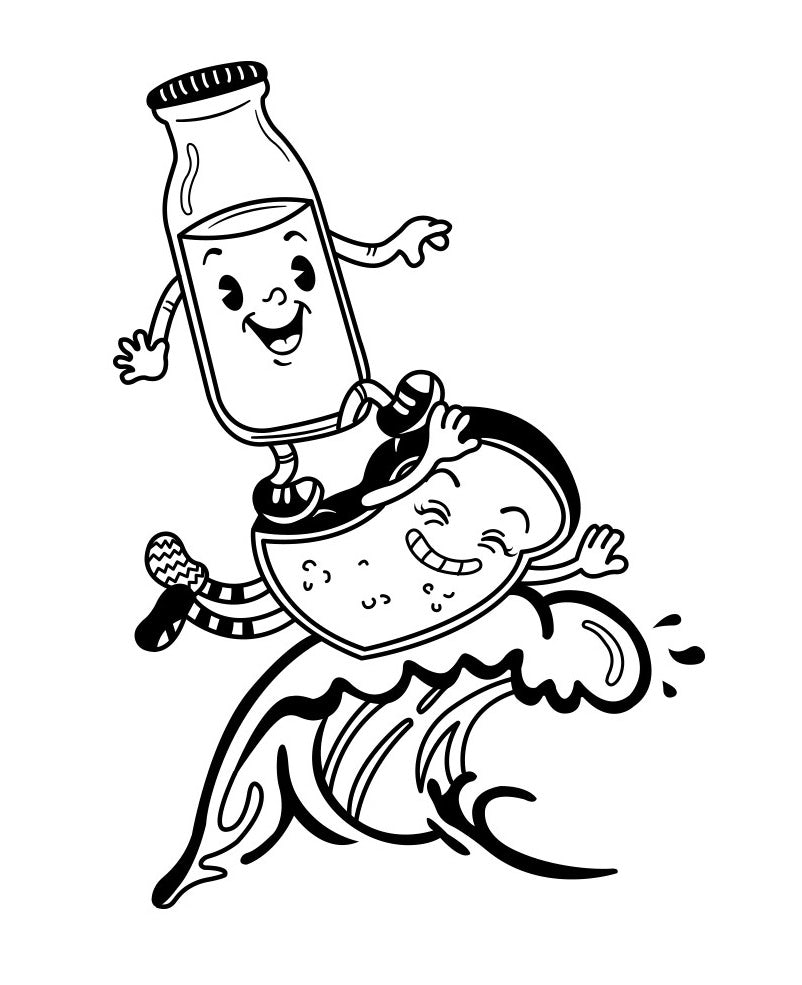
Your main concern at this stage should be the pose, then take the time to sketch a few options that show off the character's personality. If you are designing a character for an animator, you will also need to create a scattering of orthographic T-pose sketches. These brandish a front, back, and side view of the character standing with their legs together and arms outstretched, and they requite the animator a neutral view of the design on which to breathing. T-poses can also be useful for figuring out clothing detail that may get lost in a more than expressive pose.
Cross The Lime advises, "Equally y'all are sketching, remember that depending on use, your grapheme must be able to move around. Will it need to agree a sign, jump over things, or bend downwardly? Your character'due south anatomy must allow for these things. Ideally, your showtime grapheme sheet has expressions along with the character turning effectually. What will a frontal view look like, side view, 2-thirds, and maybe fifty-fifty from backside."
Too the pose, you should be paying detail attending to details like facial expression, mitt gestures, and wearable folds in society to get the pattern every bit far along equally yous tin can. "The facial expression, especially the eyes, significantly defines the mood of the graphic symbol," Maylyn explains. "The posture and colors make the character pop out. So, everything needs to complement each other to make your character alive and believable."

The facial expression, especially the eyes, significantly defines the mood of the grapheme. Their clothes add personality. These need to lucifer to bring them to life.
Gather feedback before proceeding
If yous are working on a team or with a client, this tin be a good time to gather feedback earlier going whatever further—in which case, yous may want to provide a few (no more than three) options. The purpose of this sketch is to guide your last artwork, so it is going to get harder to make any big changes to the blueprint from here on.
Pace 6: Render your character design
—
In a lot of ways, you have already successfully designed a character by this point. Design is less about illustrative flair and more than about choices, creating the concept, and the bulk of that hard piece of work is behind you. Now is where y'all start the render process, which is a fine art fashion of maxim going from sketch to finished artwork. That, of course, is not to say that you should pay less attention to the return. In order for your character concept to land, information technology has to be truly presentable. In addition, yous may notice details that you need to alter the more than realistic your design becomes.
Digitize the sketch
If you've been working on paper up until at present, yous will first need to digitize your sketch. You lot can do so adequately easily these days using a smartphone, every bit velcheva tells us, "I accept pictures with my phone and ship a personal bulletin to myself in any messenger that is besides installed on my laptop (this is much faster than scanning). I take a photo of this sketch, get in a translucent layer and depict over it in a graphics editor."
Be sure also to convert the epitome to black-and-white and adjust the dissimilarity to really assistance the linework come through. Information technology can also be helpful to trace a clean, digital sketch on top of this ane using your castor tool or you may want to leap into inking if your grapheme will include inked, cartoon lines. Finally, exist sure to refuse the opacity on your sketch so that y'all can describe over it.
If you lot are sticking with concrete artwork, you can use tracing paper to transfer a clean version of your sketch onto your sheet. From at that place, you simple render from the colors and materials of your preference.
Focus on value
Most artists recommend starting your return with a focus on value. Value is an art term that refers to light and shadow, and every bit this can be a challenge in and of itself, it is best to carve up value from colour.
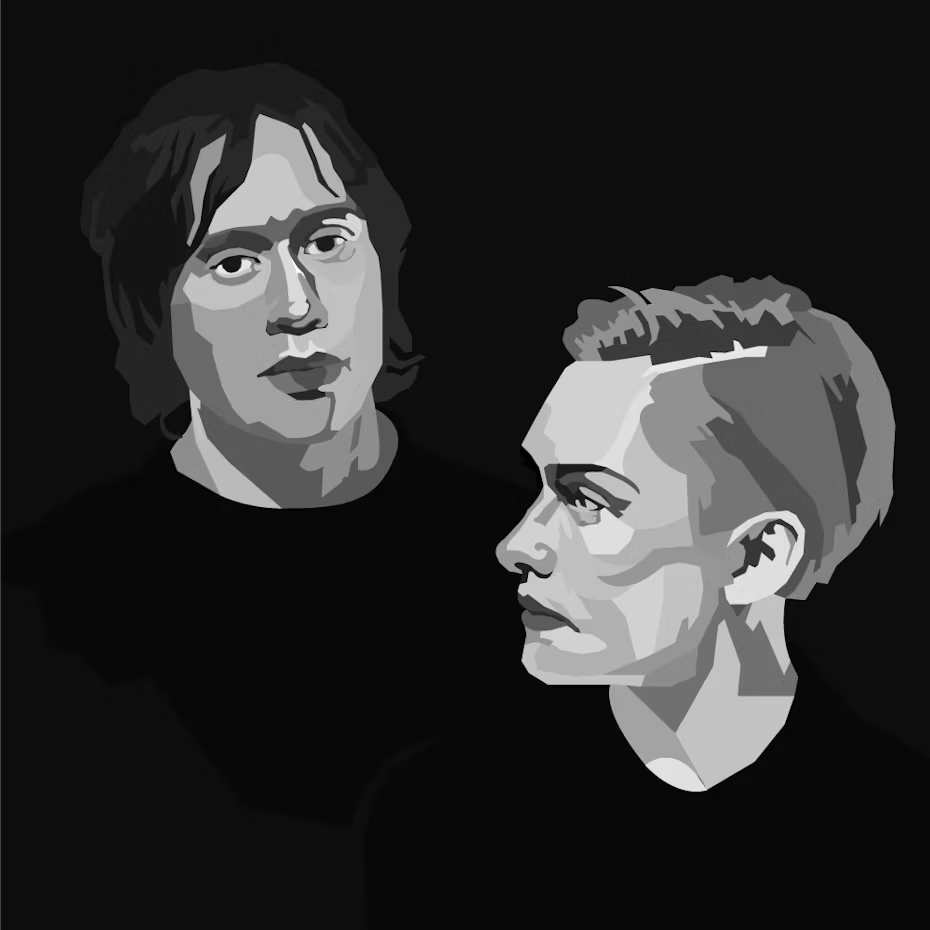
To block in value, y'all'll desire to choose contrasting shades of grey for shadows, mid-tones, and highlights. Working in a separate layer beneath your sketch, colour over your character with the mid-tone. Next, decide from what angle your calorie-free source is coming (don't forget secondary sources such as the light reflecting off of the floor back onto the character), and cake in the general area for shadows and highlights on the graphic symbol.
If y'all are going for a more painterly style, you can blend these tones by using a castor with a lowered opacity and sampling new grey tones periodically using the eyedropper tool. Otherwise, almost cartoonish styles tend to keep the hard edges for their colors and shading. To get an thought of how all this is done, search for and study process videos from other grapheme artists on YouTube.
Add color
When you become to the coloring phase, Miniverso Studio offer sound advice, "the 'for fun' final stage has arrived! Play your favorite song and look for the most welcoming place; in this stage, the final artwork is the reward for your difficult work".
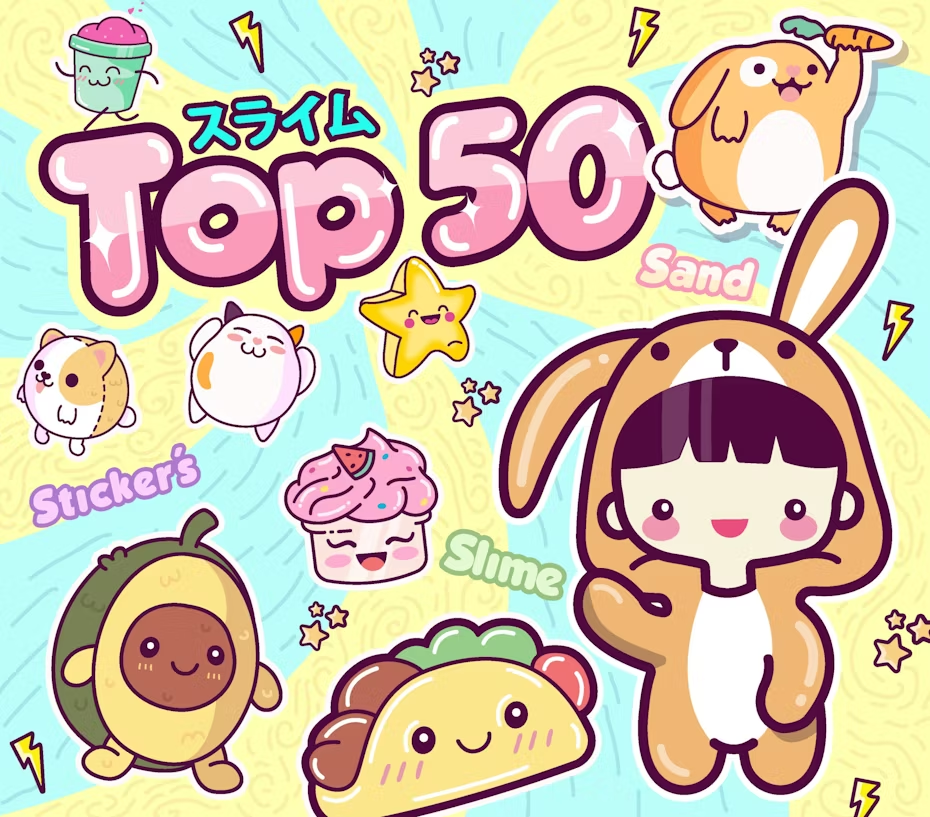
For colors, you should aim to choose those that contribute to the character's overall mood and story but that are too realistic. A firm grasp on color theory and color psychology as well equally learning from the colors in your reference images all can help you identify the platonic color palette.
Working non-destructively in a split up color layer volition also allow you to experiment. When you're ready to paint in your colors, use a blend manner such as "Color" in Photoshop in order to tint your value tones with the advisable color.
Stride 7: Add together the finishing touches
—
No graphic symbol lives in a vacuum. Well, technically Galactus lives in outer space, but for everybody else, it is important to create a sense of environment for an effective presentation.
Make up one's mind on a background
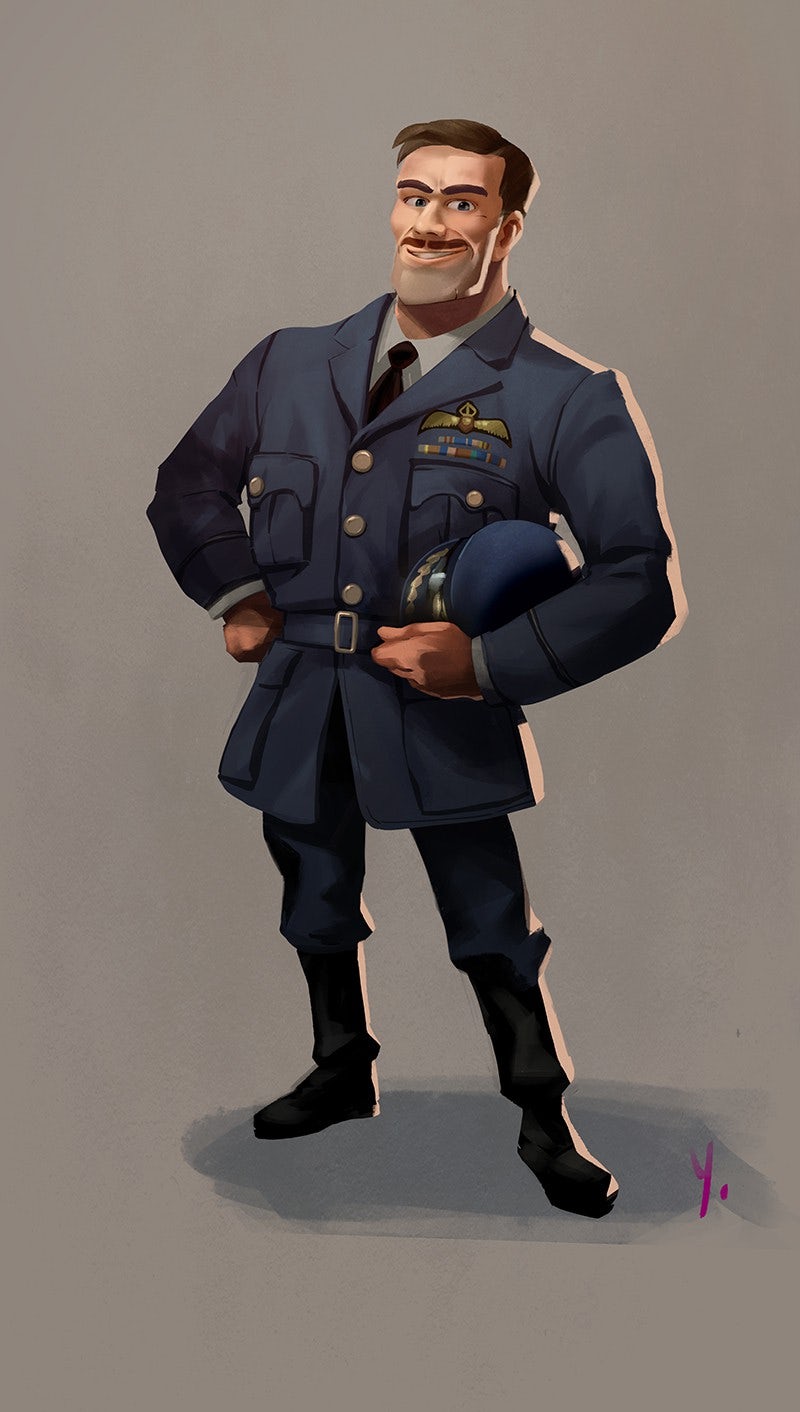
Generally, building a detailed background with scenery and props is not only a lot of actress work, information technology can distract focus from the grapheme.
Ane option instead is to suggest a distant, out-of-focus background with roughly painted shapes backside the character. Merely almost artists opt for a adequately unproblematic background, oftentimes in a neutral greyish tone with a subtle colour slope or texture. The colors you lot choose tin can farther enhance the intended mood of the character. Adding a flooring shadow as well is a simple fashion to ground your graphic symbol in infinite and reinforce the lighting.
Put together a presentation
Additionally, you are going to want to put together a customer presentation. These presentations often include a variety of secondary poses (including neutral ones), outfits, facial expressions, and close ups and side profiles of the face.
These variations can be much simpler than the main action pose since that design should be the focus. Some artists like to show a few of the sketches and thumbnails so that the customer tin can capeesh the development of the concept. Doing and then not merely gives the client options, information technology creates the sense that this graphic symbol is alive rather than a doll pinned downwardly to a static pose.
Of course, earlier y'all send your presentation off to your customer, it's a practiced idea to take a step dorsum and evaluate honestly how you lot yourself respond to the finished graphic symbol.
"Ask yourself: Does this character make you lot giggle? In my case, a huuuge component of my work is the comedy gene," artist bananodromo describes her process. "I love featherbrained details, grotesque expressions, surrealism, surprise issue. Of course, this doesn't employ to all projects […] but mainly for the almost creative ones."
4 concluding tips on character design
—
Character design might wait like artistic magic, only information technology actually involves idea, experimentation and hard piece of work to go a successful result. While the steps we've laid out here can help give you a starting framework to develop your character designs, it takes time and do to hone your skill as a graphic symbol artist.
To that end, we'll exit you with some final words of communication from experienced grapheme artists to assistance you along your journey:
one. Explore what yous like, advises InQueen: "If you lot desire to be a grapheme designer, hither is my communication: first of all, I think you take to be realistic and know what you are good at and what you are not. Endeavour everything and encounter what you like. What practice you actually similar that makes your heart burn? I love my task, and I know information technology doesn't suit everyone. Beingness a character designer, or a professional designer of whatsoever kind, goes beyond passion. It requires a lot of bailiwick, and hard work. Really hard work every day. It is a difficult path but a fun ane."
2. Call back on the bright side, like c-artworker: "Wherever you go, always draw doodles on napkins, depict newspaper, tablets, whatsoever. Over fourth dimension you become a supply of shapes, gestures and figures. Don't be frustrated with rejections! You lot have a wonderful chore where you don't have to wear a tie and suit and y'all don't have to brand coffee for your boss!"
3. Or like Maylyn, be persistent. "Find time to practice. Equally an anime lover, I really started sketching anime characters in my early on years as an artist. And honestly, it helped me in honing my skills through time."
4. And terminal but not least, ananana14 shows us how character design truly is all about finding your niche: "When I got into graphic design, characters seemed like something and then far away and unachievable. So I got a cat, then another one, and yes, you guessed it, I started drawing cats. I began noticing how they run, how they sit, their poses and used that in my drawings. Information technology as well helped that cats don't sit down around and wait for me to finish my drawing. That fashion I had to learn to pick upward the most important traits, exaggerate them and avoid getting as well caught upwards in the details."
Accept a character in mind, but need a designer to bring it to life?
Our designers can create just about anything.
martinbehearring1978.blogspot.com
Source: https://99designs.com/blog/art-illustration/character-design/

Post a Comment for "Concept Art for Characters Concept Art for Characters Kids"